HVAC issues usually don’t start as a dramatic failure. More often, they begin as small comfort changes: one room stops cooling evenly, the system runs longer than normal, or you hear a new sound you can’t un-hear. The smart move is catching the cause early—before extra cycling, moisture problems, or electrical stress turns a manageable repair into an expensive surprise. Below are the most common problems, what you can safely check, and the situations where calling a pro is the right call.
HVAC Repair in Burlington: The Problems Homeowners Run Into Most Often
A lot of service calls start with “the system is broken,” but the root cause is often something simple—airflow restrictions, thermostat settings, dirty components, or a small electrical part that’s starting to weaken. With HVAC repair in Burlington, the most useful thing you can do is separate symptoms from causes. Weak airflow can come from a clogged filter, a blower issue, or an iced coil. The goal is to spot the most likely category before you spend money in the wrong direction.
Common problems technicians see again and again:
- Dirty or restrictive air filters that choke airflow and reduce comfort.
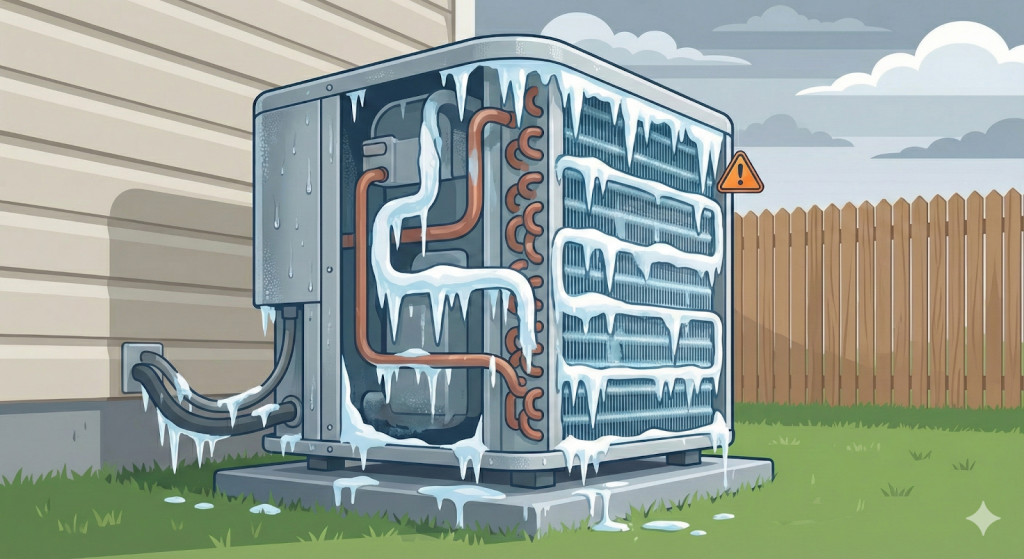
- Frozen evaporator coils caused by low airflow, dirty coils, or refrigerant problems.
- Faulty capacitors or contactors that prevent the outdoor unit from starting consistently.
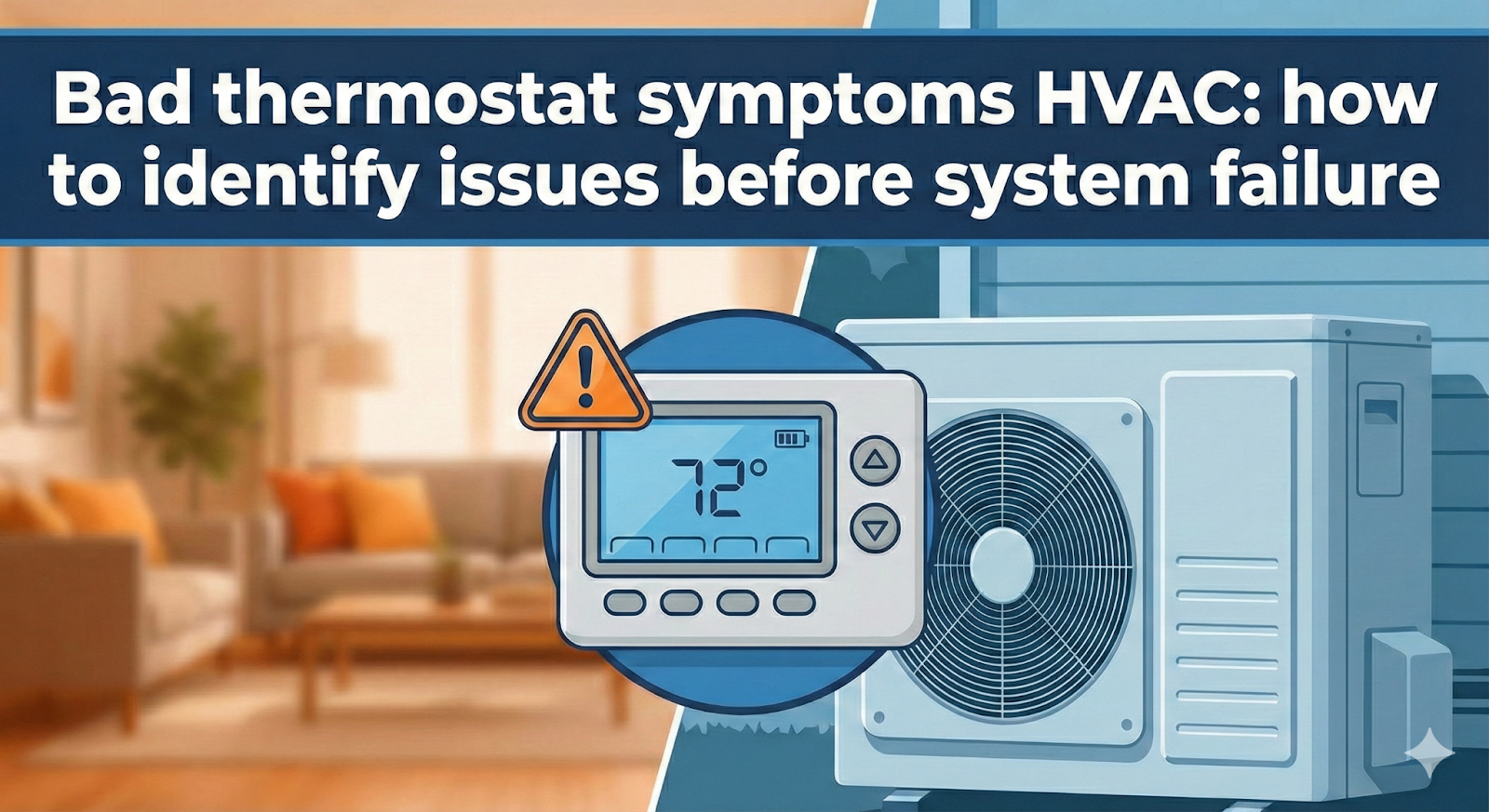
- Thermostat problems like dead batteries, wrong modes, schedule conflicts, or sensor drift.
- Condensate drain clogs that create leaks or trigger safety shutoffs.
- Blower motor or fan issues that cause weak airflow, rattling, or humming noises.
- Duct leaks or disconnected duct sections that lead to uneven temperatures.
If you recognize one of these while thinking about aBurlington HVAC repair, don’t guess at the part—track the pattern. Note when it happens, how long it lasts, and whether it changes after a filter swap or thermostat adjustment. Clear observations help a technician diagnose faster and reduce the odds of repeat visits.
How Seasons Create Predictable Breakdown Patterns
In many homes, HVAC problems follow the calendar. The first heat wave pushes AC systems into long runtimes, and the first real cold snap exposes weak ignition or heat delivery issues. In HVAC repair Burlington county calls, technicians often see predictable seasonal patterns because systems go from “light use” to “full demand” quickly. That transition is where aging parts, airflow issues, and maintenance gaps show up.
Seasonal patterns that often point to the right diagnosis:
- Summer: poor cooling, high indoor humidity, coil freezing, outdoor unit struggling to start.
- Winter: furnace starts then stops, ignition failures, heat pump defrost trouble, uneven heating.
- Spring/Fall: short cycling, thermostat confusion, airflow complaints after switching modes.
- Year-round: noisy blower, dust buildup, drain clogs, and persistent hot/cold spots.
Knowing these patterns helps you plan instead of react. If you schedule inspection or tune-up before peak season, you’re more likely to fix small issues on your timeline—rather than during a weather extreme when schedules are tight and comfort is urgent.
HVAC Emergency Repair Burlington: When to Call Right Away
Some HVAC problems are inconvenient; others are urgent because they involve safety risks, property damage, or the potential to destroy expensive components if the system keeps running. Treat HVAC emergency repair Burlington as the right choice when you can’t confidently say, “This is safe to leave running.” If there’s a risk of electrical damage, gas concerns, or major water leakage, shutting the system off and calling immediately is usually the safest move.
Urgent red flags that should trigger a same-day call:
- Burning smell, smoke-like odor, or visible smoke near equipment.
- Repeated breaker trips when the system tries to start.
- Heavy water leakage around the air handler/furnace or signs of ceiling/wall water damage.
- Loud grinding, metal-on-metal noise, or strong electrical buzzing from the unit.
- Severe icing on the system while it continues trying to run.
- No heat during dangerous cold or no cooling during extreme heat for vulnerable occupants.
When it feels urgent, avoid “testing” the system repeatedly. Turning it off protects components and prevents a small failure from snowballing into compressor damage or electrical issues.
What Counts as a True After-Hours Situation
Not every comfort issue needs a midnight call—but some situations do. If you’re searching for emergency HVAC repair Burlington outside normal hours, focus on the difference between “uncomfortable” and “unsafe.” Safety alarms, electrical failure patterns, and active water damage are the biggest deciding factors. If any of those are present, it’s better to pause the system and get help than to gamble on one more cycle.
Situations that typically justify after-hours service:
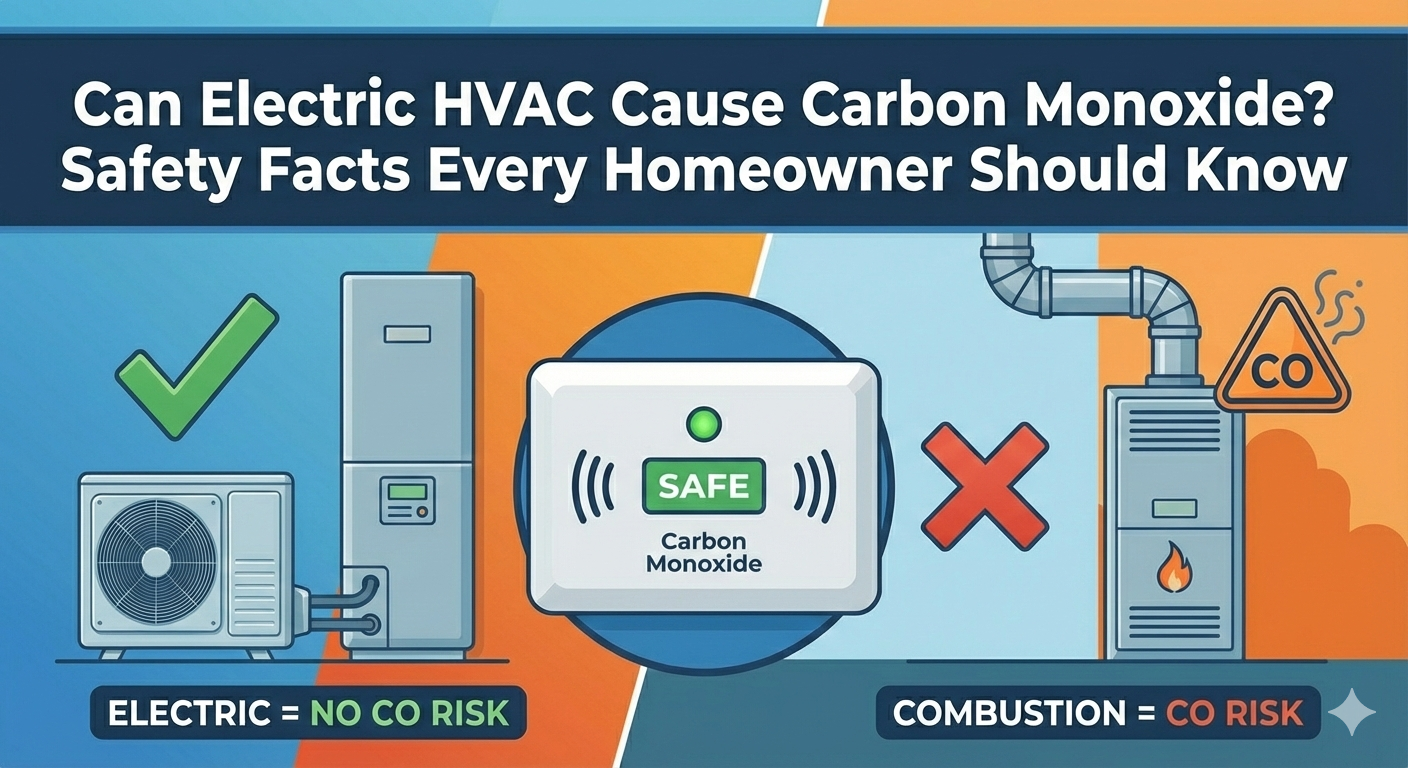
- A carbon monoxide alarm is sounding (leave the home and follow local emergency guidance).
- A gas smell or strong fumes near the furnace or water heater area.
- Electrical burning odor, sparking, or a breaker that trips immediately every restart.
- Water pouring or actively spreading toward floors, outlets, or finished ceilings.
- Total loss of heat/cooling during dangerous conditions when there’s no safe backup.
If the issue is “only” weak performance without safety signals, you may be able to schedule next-day service. But if you’re unsure, prioritize safety: shut the system down and call a professional who can guide the next step.
Safe Checks You Can Do Before the Technician Arrives
There are a few homeowner-friendly checks that can fix simple issues or at least narrow down the problem. Before you schedule HVAC repair Burlington, stick to low-risk steps that don’t involve opening sealed electrical panels, touching wiring, or working with gas components. A quick check of settings, filters, airflow, and obvious blockages can save time—and sometimes eliminates the problem entirely.
Safe checks you can do in minutes:
- Confirm thermostat mode (Heat/Cool/Auto) and setpoint, then wait a few minutes for response.
- Replace the air filter if it’s dirty or overdue.
- Make sure supply vents and return grilles aren’t blocked by rugs, furniture, or closed registers.
- Check that the outdoor unit has clear space around it (remove leaves, light debris, snow buildup).
- If the AC coil is frozen, turn cooling off and run the fan to help thaw, then schedule service.
- If water is leaking, turn the system off to prevent damage and call for help.
- Verify the breaker isn’t tripped; if it trips again, stop and call a technician.
Even if these steps don’t solve the issue, they reduce “noise” in the diagnosis. A technician can move faster when basic airflow and settings are already verified, which often lowers total labor time and gets your system stable sooner.
How to Choose a Local Technician And Avoid Repeat Visits
A good HVAC repair is more than a part swap—it’s a confirmed cause, a tested fix, and a plan to prevent the same issue from returning. To repair HVAC Burlington problems once (and not twice), look for a company that explains what they tested and why. You want clear notes, real measurements where relevant, and a technician who checks surrounding conditions like airflow, drainage, and electrical stress—because those factors often cause repeat failures.
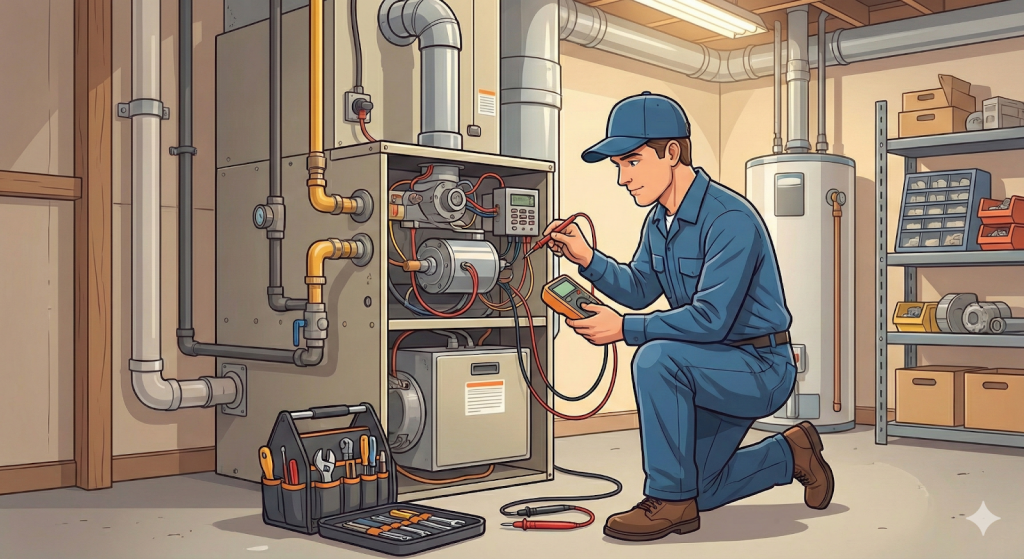
Questions that help you choose a technician who solves root causes:
- Will you perform a full diagnostic with testing, not just a quick visual inspection?
- Can you explain the likely root cause and what prevents the issue from coming back?
- Do you check airflow basics (filter condition, coil cleanliness, drain function) during diagnosis?
- Will you provide an itemized quote and explain repair vs. replacement tradeoffs clearly?
- What warranty applies to parts and labor for this specific repair?
- Can you document what was confirmed after the fix (system starts, temperatures stabilize, safeties function)?
Choosing the right technician often saves more than choosing the lowest bid. If the repair includes real diagnosis and verification, you’re less likely to pay for repeated trips, repeated parts, and repeated downtime.
Final Takeaway: The Fastest Way to Prevent a Small Issue from Becoming a Breakdown
Most HVAC failures give warning signs—odd cycling, weak airflow, inconsistent comfort, water around the unit, or electrical symptoms that escalate over days or weeks. The best strategy is simple: do the safe checks, stop the system if there’s any safety risk, and call a qualified local pro when the problem repeats or worsens. Planning a repair early is almost always cheaper and less stressful than waiting for a total failure during peak weather.