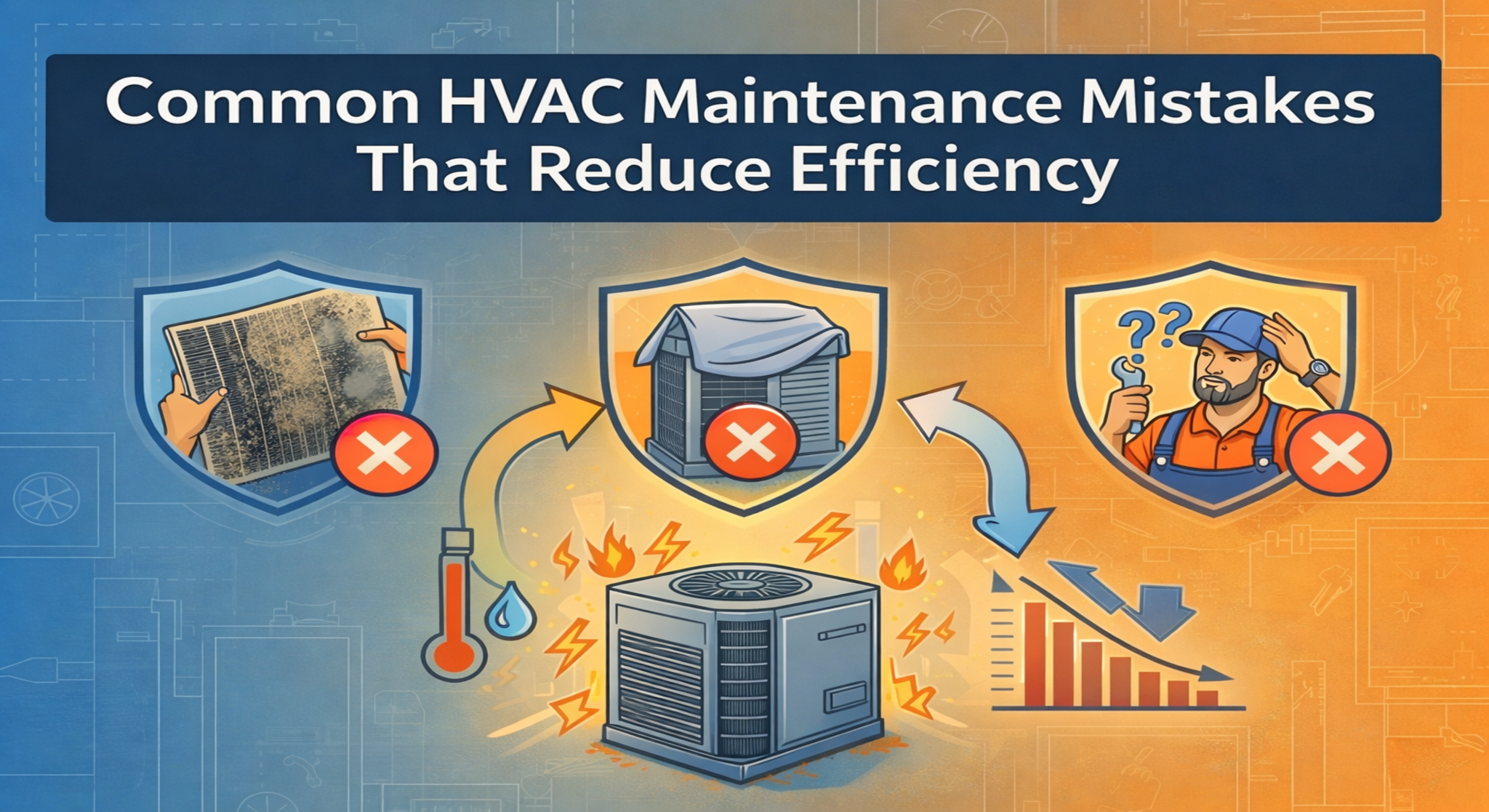
Heating, ventilation, and air conditioning systems are designed to operate reliably for many years, but only under predictable operating conditions. In practice, performance losses rarely come from dramatic breakdowns. They accumulate quietly through routine oversights, deferred maintenance, and well-intended but incorrect service decisions.
This article examines the common HVAC maintenance mistakes that most often undermine efficiency and shorten system lifespan, focusing on real-world cause-and-effect rather than generic advice.
Ignoring air filter condition beyond visible dirt
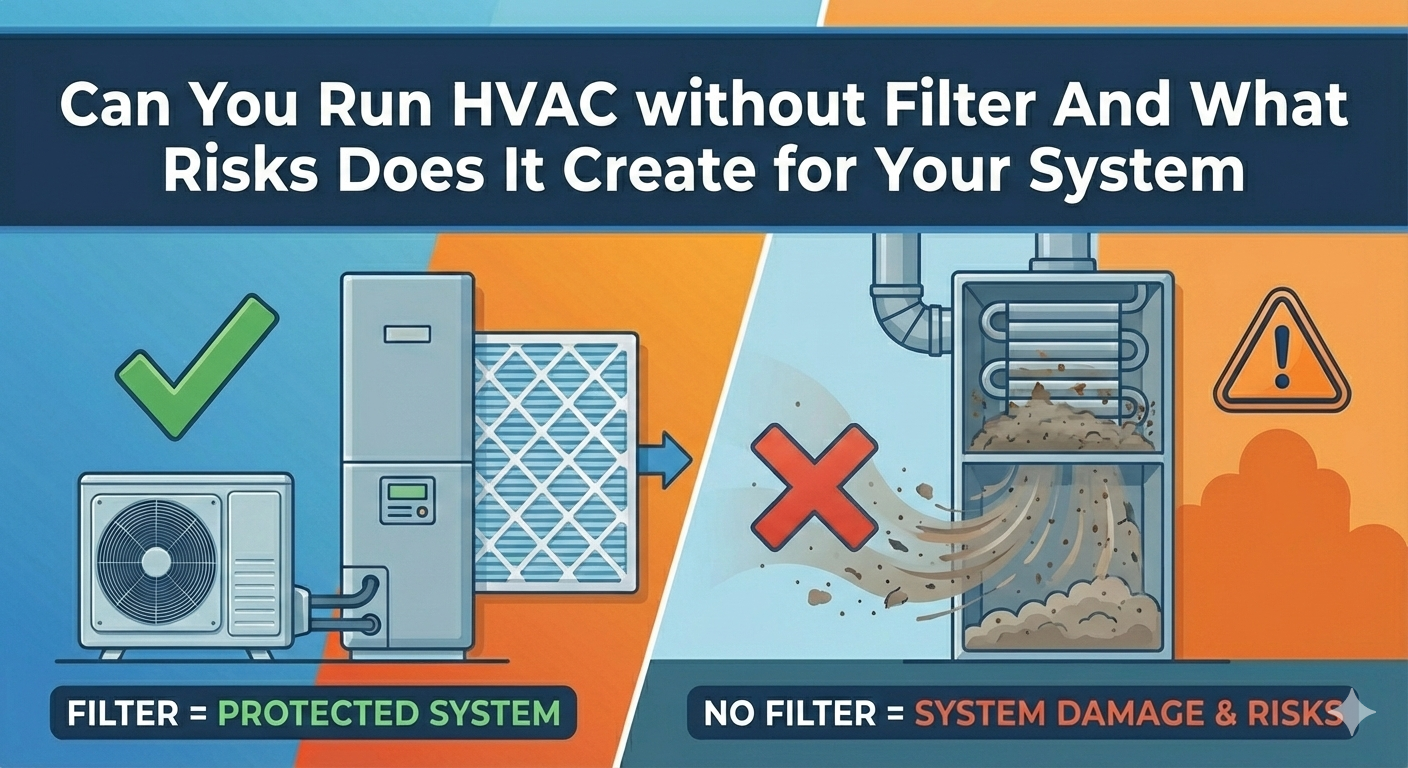
Air filters are often treated as a basic housekeeping item, yet their condition has system-wide implications. A filter that looks “acceptable” to the eye can still impose a pressure drop large enough to disrupt airflow balance.
In most cases, restricted airflow forces the blower motor to operate outside its intended range. This increases electrical load, elevates motor temperature, and alters heat exchange behavior at the coil. Over time, these stresses contribute to premature motor failure and uneven thermal comfort throughout the building.
Common consequences include:
- Reduced heat transfer efficiency at the evaporator or heat exchanger.
- Increased runtime to meet thermostat setpoints.
- Accelerated wear of blower bearings and windings.
Treating coil cleaning as a cosmetic task
Evaporator and condenser coils are often cleaned only when they appear visibly contaminated. This approach overlooks the thermal role of coil surfaces and fin geometry.
Even a thin layer of residue can disrupt boundary layer heat transfer. On condenser coils, this raises discharge pressures; on evaporator coils, it reduces latent and sensible capacity. In both cases, compressors compensate by operating longer and at higher stress levels.
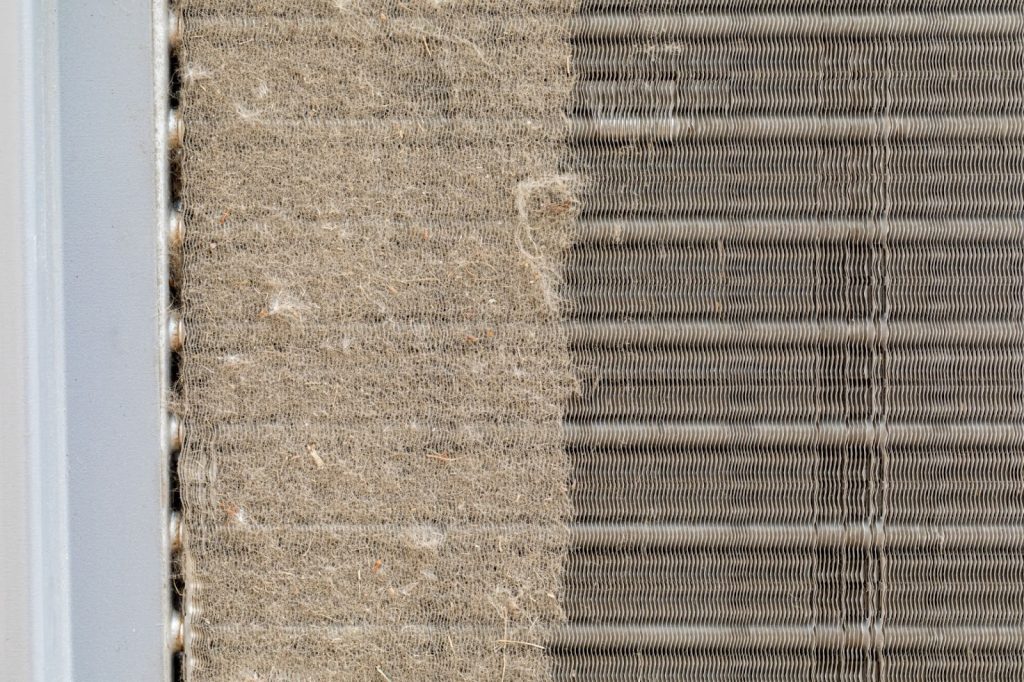
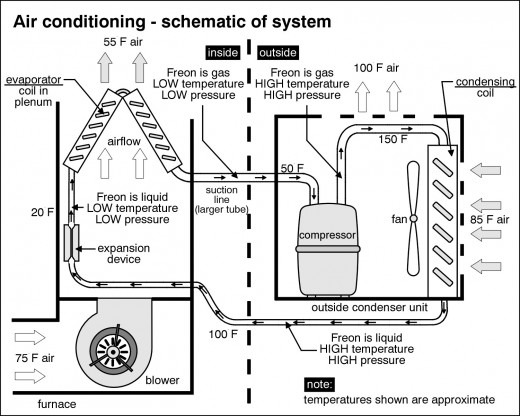
A common issue is uneven fouling. Partial blockage leads to localized freezing, oil return problems, and inconsistent refrigerant evaporation, none of which are immediately obvious during routine operation.
Skipping refrigerant diagnostics when capacity feels “adequate”
When a system still cools or heats the space, refrigerant condition is often assumed to be acceptable. This assumption is misleading.
Minor undercharge or overcharge conditions rarely cause immediate failure. Instead, they distort pressure ratios, reduce oil circulation efficiency, and shift compressor operating envelopes. Over time, this accelerates mechanical wear and insulation degradation.
In practice, refrigerant issues often coexist with other maintenance gaps, amplifying their impact:
- Dirty coils mask undercharge symptoms.
- Restricted airflow alters superheat readings.
- Aging expansion devices compensate inconsistently.
Neglecting electrical connections and control integrity
Electrical inspections are commonly reduced to checking whether a system powers on. This overlooks gradual degradation at terminals, contactors, and control boards.
Thermal cycling causes expansion and contraction at connection points. Loose or oxidized terminals introduce resistance, leading to localized heating and voltage instability. These conditions often manifest as intermittent faults that are difficult to trace.
Typical risks include:
- Premature contactor failure.
- Nuisance shutdowns triggered by control boards.
- Increased stress on motors and compressors due to voltage imbalance.
Overlooking condensate management as a reliability factor
Condensate systems are frequently viewed as low-priority components. However, improper drainage affects both hygiene and mechanical stability.
Blocked or poorly sloped drains can cause standing water, which increases corrosion risk and promotes biological growth. In some configurations, water intrusion reaches electrical compartments or insulation materials, creating secondary failure modes unrelated to core HVAC components.
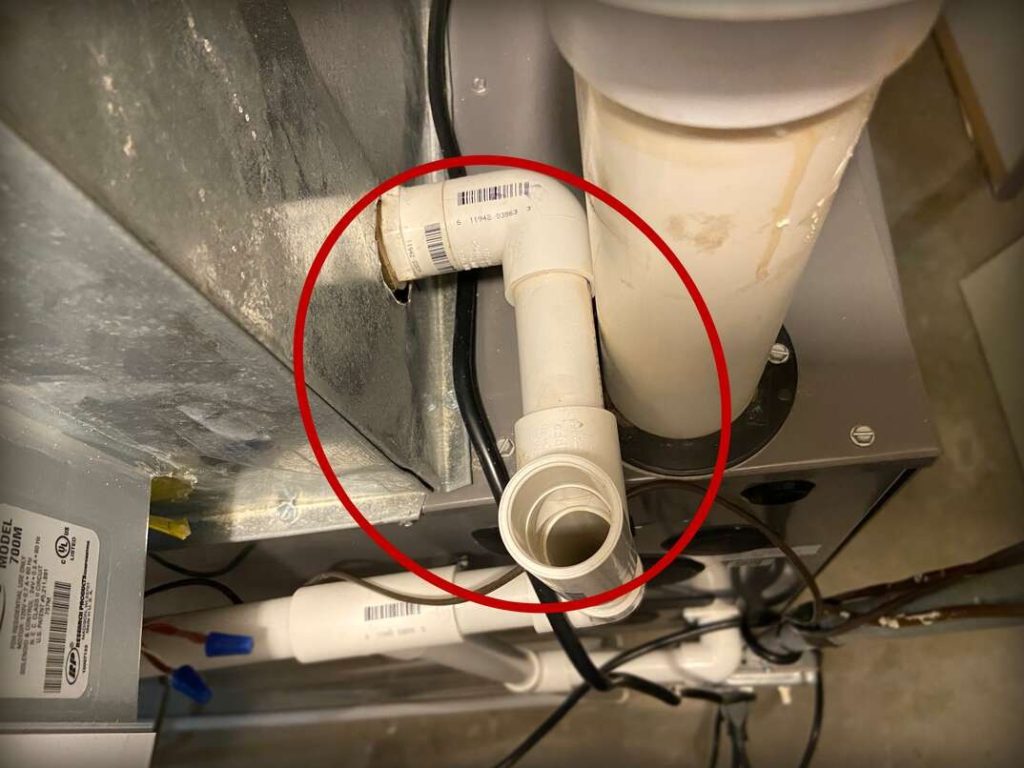
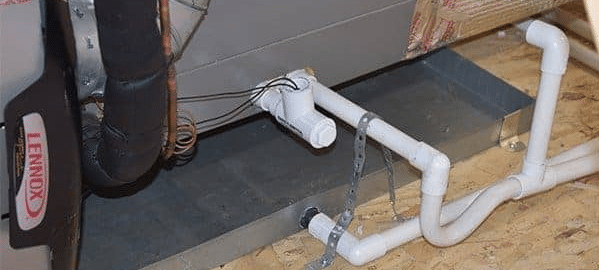
In humid environments, condensate issues often coincide with elevated indoor humidity, compounding comfort and efficiency problems.
Relying on thermostat readings without system context
Thermostats provide limited insight into system health. Maintenance decisions based solely on temperature performance overlook airflow distribution, cycling behavior, and load dynamics.
Short cycling, for example, may maintain average temperature while imposing high mechanical stress. Conversely, extended runtimes may indicate marginal capacity masked by mild weather conditions.
A more reliable assessment considers:
- Runtime patterns relative to outdoor conditions.
- Temperature differentials across coils.
- Fan operation consistency.
Applying “one-size-fits-all” maintenance intervals
Maintenance schedules are often copied from generic checklists without accounting for system design, usage patterns, or environmental exposure.
A lightly loaded residential system and a continuously operating commercial unit experience fundamentally different wear mechanisms. Applying identical intervals can result in over-servicing some components while neglecting others that degrade faster under specific conditions.
Before comparing approaches, it helps to understand how maintenance focus shifts with operating context.
| Operating context | Common oversight | Long-term effect |
| Light residential use | Delayed airflow checks | Gradual efficiency loss |
| High-runtime commercial use | Infrequent electrical inspection | Control failures |
| Humid environments | Inadequate condensate attention | Corrosion and hygiene issues |
This comparison highlights why standardized schedules often fail to protect system longevity.
Misinterpreting efficiency decline as normal aging
Efficiency losses are frequently attributed to system age rather than correctable maintenance errors. While aging components do degrade, many performance drops stem from reversible conditions.
In most cases, correcting airflow, coil cleanliness, and control calibration restores a significant portion of lost efficiency. Treating decline as inevitable delays intervention until damage becomes structural rather than operational.
This mindset also affects replacement decisions, leading to premature system turnover rather than targeted corrective maintenance.
Underestimating the interaction between minor issues
Individual maintenance mistakes rarely operate in isolation. Their combined effect is often nonlinear.
For example, a slightly dirty filter, marginal refrigerant charge, and minor electrical resistance may each seem insignificant. Together, they push the compressor beyond stable operating conditions, increasing thermal and mechanical stress far beyond what any single factor would cause.
Understanding these interactions is essential for diagnosing root causes rather than symptoms.
Conclusion: maintenance as system stability management
The most damaging HVAC maintenance mistakes are rarely dramatic or intentional. They arise from fragmented attention, surface-level inspections, and assumptions that “working” means “healthy.”
Effective maintenance focuses on preserving predictable operating conditions. When airflow, heat transfer, electrical stability, and moisture control are kept within design boundaries, efficiency remains stable and component wear progresses slowly and evenly.
Over the long term, this approach does not maximize short-term output or promise perfect performance. Instead, it delivers what HVAC systems are designed for: reliability, consistency, and a controlled rate of aging—the true measure of system longevity.