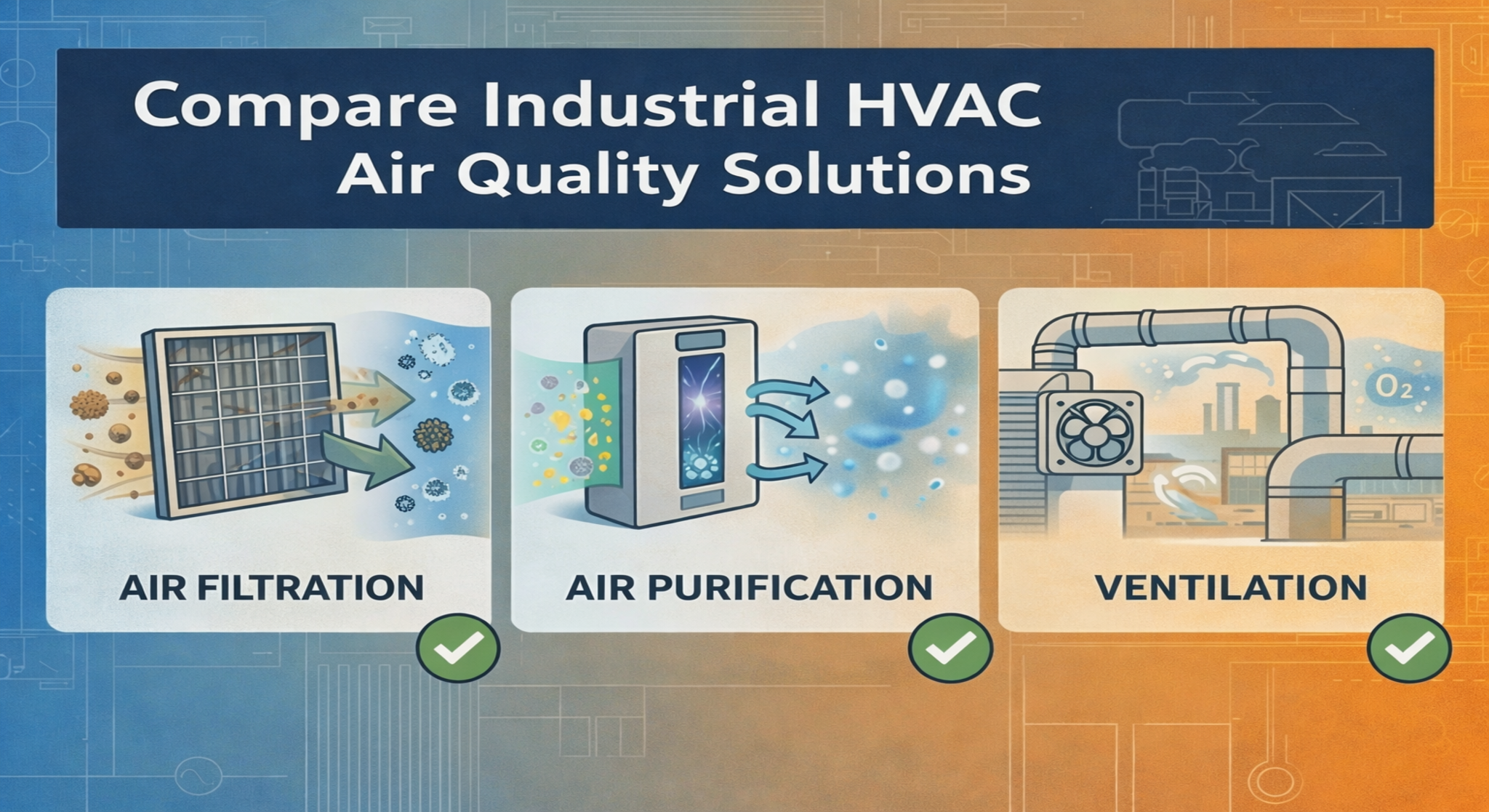
Indoor air quality in large commercial and industrial facilities is not a secondary comfort parameter. In practice, it directly influences equipment reliability, workforce health, regulatory compliance, and long-term operational stability. When engineers are asked to compare industrial HVAC air quality products, the task is rarely about selecting the “best” technology in isolation. It is about understanding how different solutions behave under load, how they interact with existing systems, and where their limitations emerge over years—not months—of operation.
This article takes a practitioner’s view. Instead of promotional claims or simplified rankings, it examines industrial air quality products through cause-and-effect relationships, real-world constraints, and engineering trade-offs that matter in large facilities such as manufacturing plants, logistics hubs, hospitals, data centers, and multi-story commercial buildings.
Why industrial HVAC air quality products require a different comparison logic
In residential or small commercial settings, air quality products are often evaluated based on room coverage, noise, or energy labels. That logic does not scale to industrial environments. Air volumes are orders of magnitude higher, operating hours are longer, and failure modes are more costly.
In most cases, the performance of an air quality product cannot be separated from the HVAC system it is integrated into. Pressure drops affect fan curves, filtration affects coil cleanliness, and air treatment technologies influence maintenance intervals. A common issue is that products selected in isolation introduce secondary problems that only appear after commissioning.
For large facilities, comparison must focus on system behavior over time rather than headline specifications.
Filtration-based solutions: strengths, limits, and operational consequences
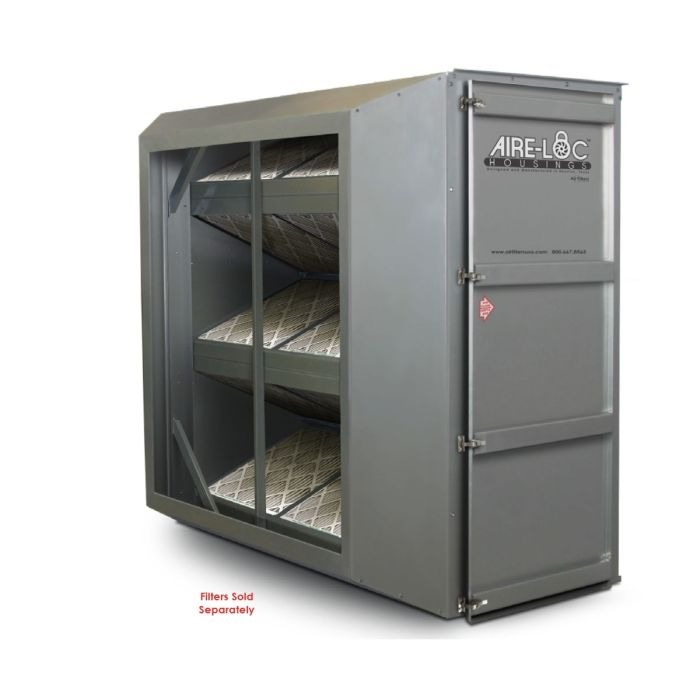
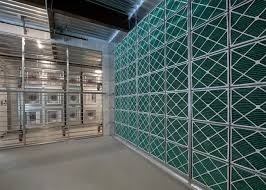
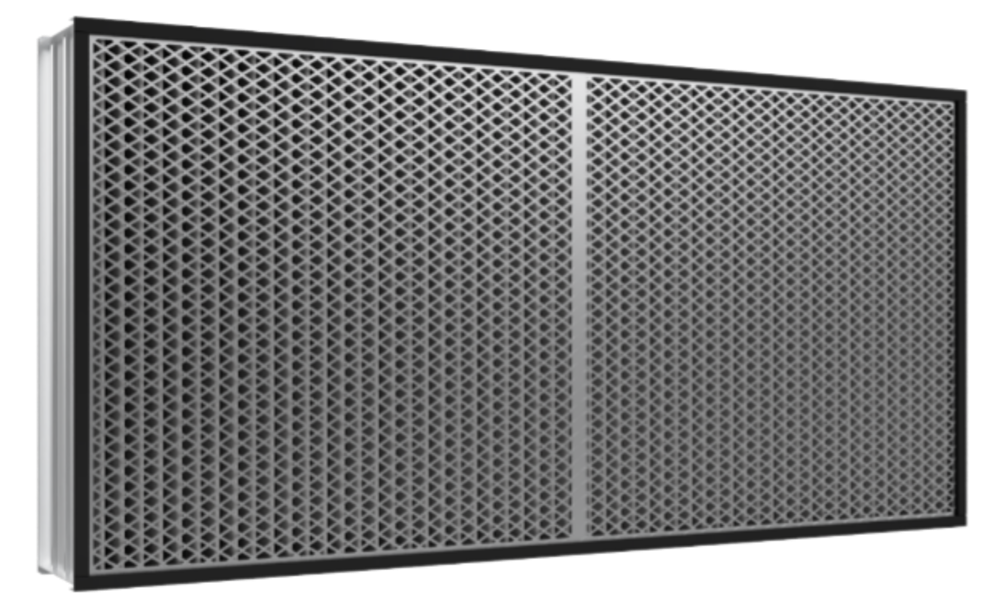
Mechanical filtration remains the backbone of industrial air quality control. However, not all filtration strategies behave the same once installed at scale.
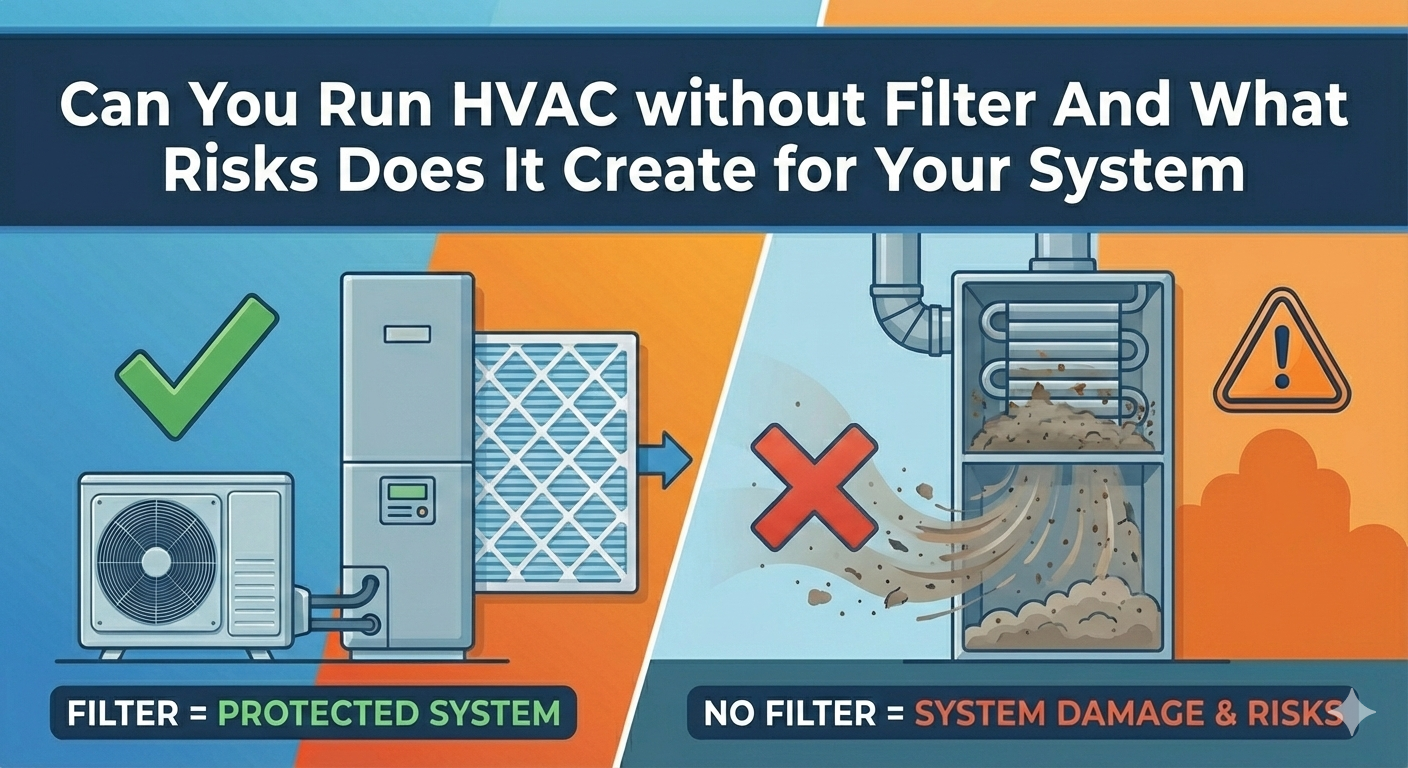
High-efficiency filters improve particulate control but also increase static pressure. In facilities with older air handlers or limited fan headroom, this often leads to reduced airflow rather than cleaner air. In practice, the expected improvement never materializes.
Key characteristics that engineers typically evaluate include:
- Filter class and particle size efficiency.
- Pressure drop at rated airflow.
- Dust-holding capacity and loading behavior.
- Replacement frequency under real contamination levels.
Filtration works best when the system was designed—or retrofitted—with sufficient fan capacity and access for maintenance. Without that, even premium filters can become a liability.
Electronic air cleaners and electrostatic systems in large facilities
Electronic and electrostatic air cleaners are often considered when particulate control is required without excessive pressure drop. In controlled environments, they can be effective. In industrial settings, their performance depends heavily on maintenance discipline.
A common issue is gradual efficiency loss due to fouling. Plates and cells must be cleaned regularly, and in facilities with oil mist or sticky aerosols, this requirement increases significantly. When cleaning schedules slip, performance degrades quietly, without obvious alarms.
From an engineering perspective, these systems are best compared not only by efficiency ratings, but by:
- Sensitivity to contamination type.
- Cleaning intervals and labor requirements.
- Electrical safety and ozone byproducts.
- Integration with existing controls.
They are rarely a “set and forget” solution in continuous-operation environments.
Gas-phase and odor control technologies: when particles are not the problem
In many commercial and industrial facilities, particulate matter is not the primary concern. Volatile organic compounds, process gases, and persistent odors can be more disruptive.
Gas-phase air quality products, such as activated carbon or chemically treated media, behave differently from particulate filters. Their effectiveness depends on contact time, media depth, and the specific compounds present. Breakthrough can occur suddenly, not gradually.
In most cases, these systems require careful upstream assessment. Without understanding contaminant profiles and concentrations, media selection becomes guesswork, leading to premature saturation or underperformance.
Ultraviolet and photocatalytic systems: benefits and boundaries
UV-based air quality products are frequently discussed in the context of microbial control. In large HVAC systems, their most reliable benefit is coil and drain pan cleanliness rather than whole-air sterilization.
Photocatalytic oxidation systems promise broader contaminant reduction, but their effectiveness depends on air velocity, exposure time, and system geometry. In high-flow industrial ducts, these conditions are often unfavorable.
From a practical standpoint, these technologies are best compared based on realistic application scope, not theoretical kill rates. Overstated expectations are a common source of disappointment after installation.
Integration challenges with existing HVAC infrastructure
Comparing industrial HVAC air quality products without considering system integration is one of the most common planning errors. Even well-designed products can create unintended consequences if installed into incompatible systems.
Typical integration challenges include:
- Insufficient space for proper filter banks.
- Access limitations for service and inspection.
- Control system incompatibilities.
- Unaccounted pressure losses affecting airflow balance.
In older facilities, retrofits often expose design assumptions that no longer hold. Air quality improvements must be evaluated alongside airflow distribution, zoning logic, and equipment age.
Maintenance realities and lifecycle performance
Manufacturers often specify ideal maintenance intervals. In practice, industrial environments rarely meet ideal conditions. Dust loads vary seasonally, processes change, and staffing levels fluctuate.
When comparing air quality products, lifecycle behavior is more informative than initial performance. Products that tolerate neglect poorly tend to create hidden risks, from microbial growth to energy penalties.
A realistic comparison accounts for:
- Skill level required for maintenance.
- Consequences of delayed service.
- Spare part availability over time.
- Predictability of performance degradation.
Stability, not peak efficiency, often defines long-term success.
Energy and system efficiency trade-offs
Air quality improvements are never energy-neutral. Pressure drops increase fan power, active systems consume electricity, and control strategies influence runtime.
In large facilities, small inefficiencies scale quickly. A modest increase in static pressure can translate into substantial annual energy costs. This does not mean air quality should be compromised, but trade-offs must be transparent.
In most cases, the goal is not minimizing energy use, but maintaining predictable consumption while meeting air quality targets.
Comparative overview of common industrial air quality product types
The table below summarizes how different product categories typically behave in large commercial HVAC systems. It is intended as a decision-support overview rather than a specification substitute.
| Product type | Primary strength | Common limitation | Best-fit scenarios |
| High-efficiency filtration | Reliable particle control | Increased pressure drop | Facilities with adequate fan capacity |
| Electrostatic cleaners | Low airflow resistance | Maintenance-sensitive performance | Controlled contamination environments |
| Gas-phase filtration | Odor and VOC reduction | Media saturation risk | Known gaseous contaminants |
| UV systems | Surface hygiene, coil protection | Limited whole-air impact | Humid or bio-sensitive systems |
| Hybrid solutions | Balanced performance | Higher complexity | Facilities with mixed air quality issues |
Each option solves a different problem. Issues arise when a product is expected to address conditions it was never designed for.
Common comparison mistakes and how they affect outcomes
Even experienced teams fall into predictable traps when comparing industrial HVAC air quality products. These mistakes usually stem from oversimplification rather than lack of expertise.
Common errors include:
- Comparing standalone efficiency ratings without system context.
- Ignoring maintenance capability constraints.
- Assuming laboratory performance translates directly to field conditions.
- Overlooking long-term operational variability.
In most cases, these mistakes do not cause immediate failure. Instead, they erode system performance gradually, making root causes harder to identify later.
Final perspective: stability over optimization
When engineers compare industrial HVAC air quality products for large commercial facilities, the most reliable solutions are rarely the most aggressive or technologically complex. They are the ones that behave predictably under imperfect conditions.
Long-term air quality control depends on alignment between technology, system design, maintenance reality, and operational priorities. Products that support stability, tolerate variation, and integrate cleanly into existing infrastructure tend to deliver consistent results over time.
In industrial HVAC, durability and predictability are not compromises. They are the foundation of sustainable air quality performance.