If you’ve asked can electric HVAC cause carbon monoxide, you’re doing the right research today. Carbon monoxide (CO) matters because you can’t see or smell it, and early symptoms can be easy to misread. The CDC lists common symptoms such as headache, dizziness, weakness, nausea or upset stomach, chest pain, and confusion.
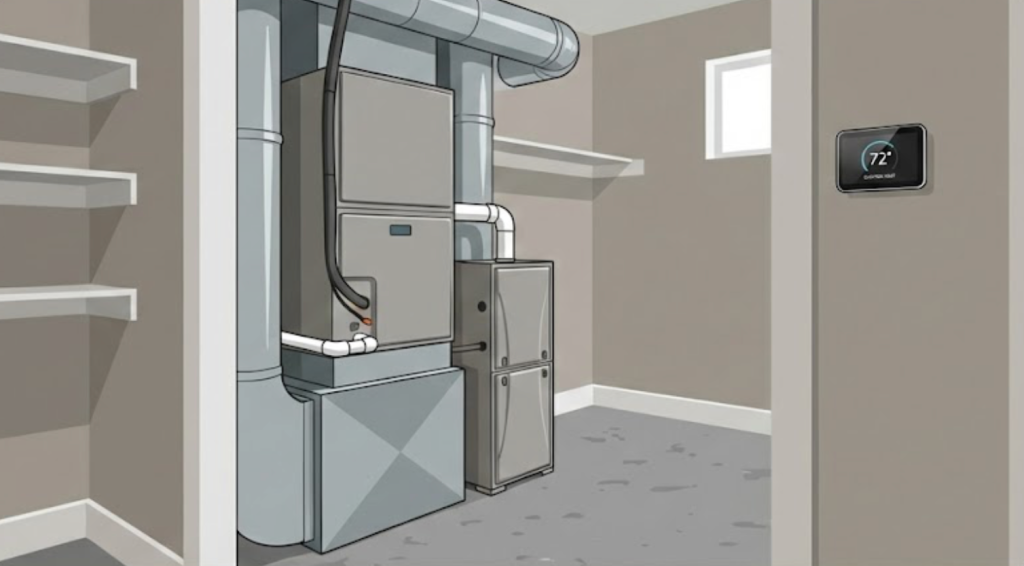
The confusion usually comes from the word “HVAC.” It doesn’t just mean a heater—it includes ductwork, return grilles, vents, and the blower that moves air through your home. Electricity itself doesn’t create CO, but HVAC airflow can affect how air (and contaminants) move from one space to another. This guide separates myths from facts and gives practical safety steps.
Carbon Monoxide Basics: Where It Comes From and Why HVAC Gets Blamed
Carbon monoxide is produced when fuels burn incompletely. That includes natural gas, propane, oil, gasoline, wood, charcoal, and other carbon-based fuels. Because it’s odorless and invisible, you can’t rely on “I would notice.” Safe venting is what keeps combustion gases outside; blocked vents, poor draft, or malfunctioning equipment can let exhaust spill indoors.
HVAC often gets blamed because it moves a lot of air. When the blower runs, it mixes air between rooms and can pull air through leaks you didn’t know existed. If CO is entering from a backdrafting water heater, a fireplace with poor draft, or an attached garage, the HVAC can spread that air faster. In many cases, HVAC is the messenger, not the source.
Common household sources of carbon monoxide include:
- Fuel-burning furnaces or boilers with combustion or venting problems.
- Gas water heaters located in basements, utility rooms, or closets.
- Fireplaces and wood stoves with poor draft or blocked chimneys.
- Gas ranges, ovens, or unvented space heaters used longer than intended.
- Portable generators, grills, and other engines used too close to the home.
- Vehicles in attached garages, even for short periods.
If your home has any fuel-burning appliance or an attached garage, treat CO safety as a whole-house issue. Even with electric heating and cooling, CO can enter from another source—so alarms and maintenance still matter.
The Direct Answer: Can Electric HVAC Cause Carbon Monoxide?
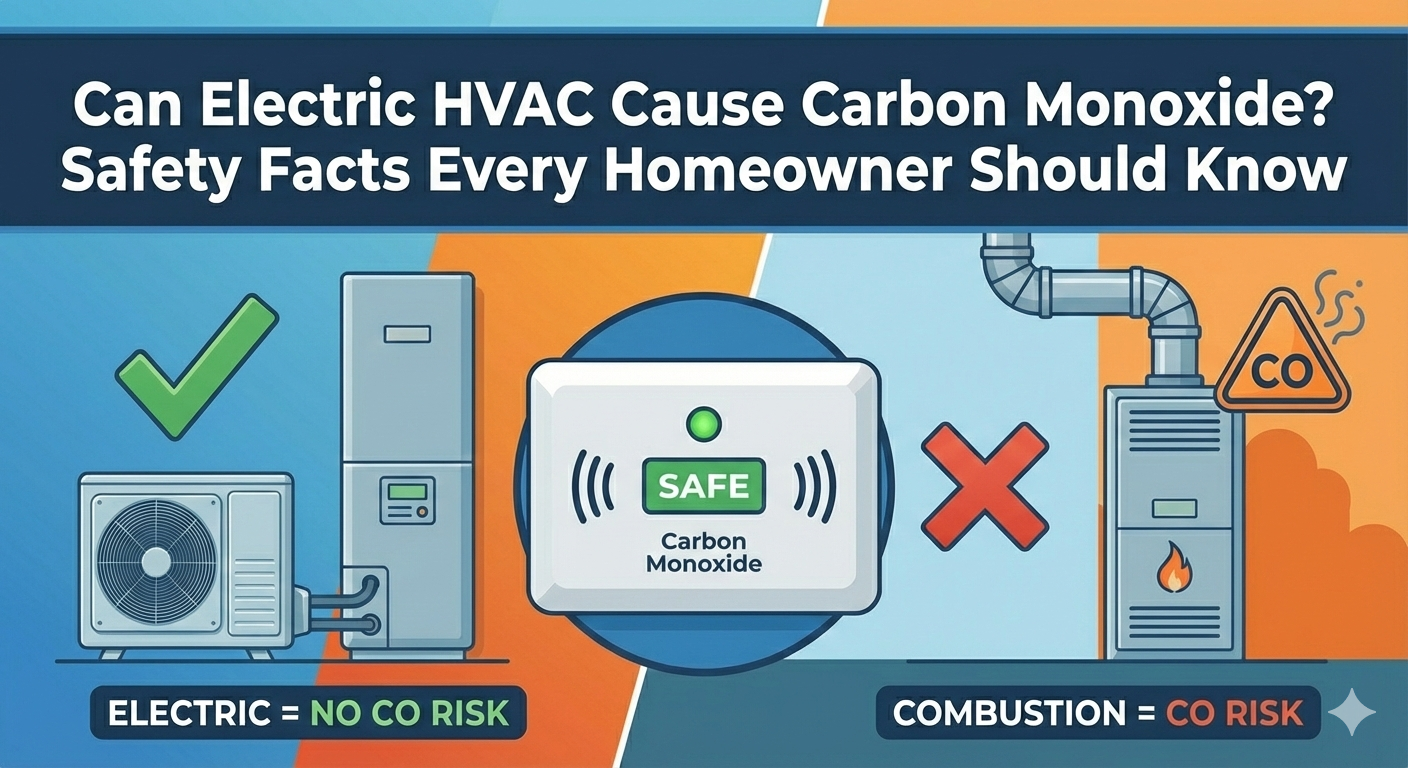
A truly all‑electric HVAC system does not produce carbon monoxide. Heat pumps and electric resistance heat do not burn fuel, so there is no combustion process that can generate CO. ENERGY STAR notes that heat pumps involve “no combustion,” meaning there are no direct emissions such as carbon monoxide.
So why do some homeowners link CO alarms to “electric HVAC”? Timing can mislead. If an alarm sounds when the blower turns on, it’s easy to assume the HVAC “made” the gas. More commonly, the blower moved air that already contained CO or changed pressure in a way that worsened an existing venting problem. Also, many “electric” homes still have a gas water heater, fireplace, or other fuel-burning appliance in the same building.
How an Electric HVAC System Can Be Involved Without Creating CO
The key difference is generation versus distribution. CO is generated by combustion. Your HVAC can contribute to distribution if return ducts leak and pull air from spaces you never intended to breathe from—garage-adjacent cavities, basements near a water heater, crawlspaces, or attics. Return-side leaks matter because the return is the suction side of the system.
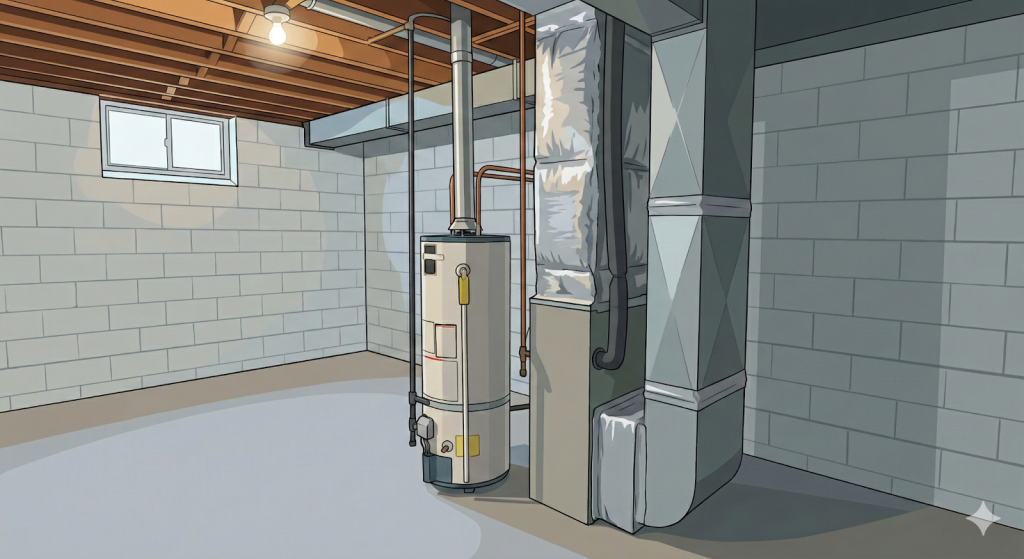
Pressure can matter too. Dryers and strong exhaust fans can depressurize a home. If a fuel-burning appliance has marginal draft or venting, negative pressure can contribute to backdrafting, where exhaust spills into the room instead of going outdoors. The EPA and CPSC emphasize annual professional inspection of fuel‑burning appliances to detect CO leaks and venting problems. Homes with attached garages are also called out as higher-risk settings for CO problems.
Situations that can increase CO risk even when your heating and cooling is electric include:
- Return duct leaks that pull air from a garage-adjacent wall cavity or utility room.
- A gas water heater or fireplace in a space affected by negative pressure from fans or dryers.
- A blocked or damaged chimney or vent pipe that prevents exhaust from leaving the home.
- A hybrid/dual-fuel system where the backup burner operates with venting problems.
- Generator or grill use too close to doors, windows, or air intakes.
- Attached-garage air leaks combined with frequent blower operation that mixes air quickly.
If any of these fit your home, don’t try to solve it by trial-and-error. CO is a safety issue. Make sure alarms work, and have a qualified professional inspect combustion appliances, venting, and the airflow pathways (duct leaks and pressure drivers) that could be pulling exhaust into living space.
CO Alarms: Placement, Testing, And The “Set-It-And-Forget-It” Trap
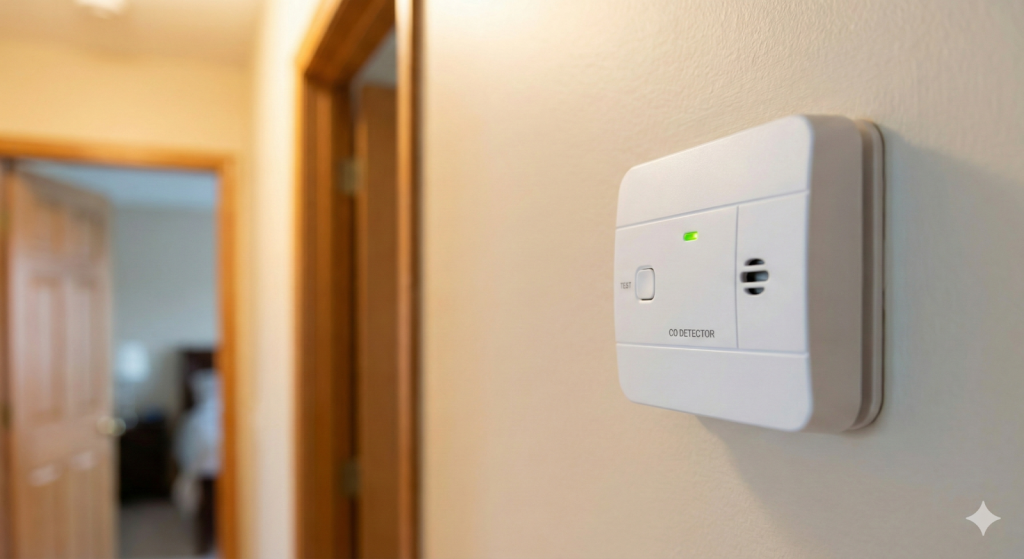
Because CO is invisible and odorless, alarms are your main safety net. The CPSC recommends CO alarms on each level of the home and outside each sleeping area, and it recommends testing alarms monthly and replacing batteries at least annually (or as needed for your model). The EPA also emphasizes following manufacturer instructions and any local code requirements for placement and maintenance.
Two quiet mistakes are common. First, one alarm placed far from bedrooms can delay waking people at night. Second, people assume alarms last forever. Sensors age, so check the manufacture date on the unit and follow the replacement guidance in the manual. If you finished a basement or changed bedrooms, rethink placement so alarms match how the home is used now.
What to Do If a CO Alarm Sounds
If the alarm goes off, don’t try to judge the air based on smell or “feeling fine.” CO can’t be detected by odor, and symptoms can be nonspecific. The safest approach is to treat the alarm as real until professionals confirm otherwise. The EPA advises getting fresh air and then having potential sources inspected by a qualified technician.
If your CO alarm sounds, take these actions:
- Move everyone to fresh air right away, preferably outdoors.
- Call emergency services or your local fire department from outside the home.
- Avoid re-entering until professionals say the home is safe.
- Do not run or restart fuel-burning appliances to “test” what happened.
- Arrange inspection of fuel-burning appliances, venting/chimneys, and HVAC return duct leakage.
- Replace or service any alarm that is malfunctioning or past its replacement date.
After the home is cleared, prevent repeat events by fixing the source and the pathway. That can mean correcting venting/backdrafting issues, sealing return leaks, and tightening the garage-to-house boundary so exhaust can’t migrate indoors.
Prevention that Works for Electric-HVAC Homes
If your HVAC is electric, prevention is mainly about the other things that burn fuel and the air pathways that connect those spaces to living areas. Have fuel-burning appliances inspected regularly and keep vents and chimneys clear; the EPA and CPSC highlight annual professional inspection as a CO safety practice.
Then reduce the ways CO could travel. Attached garages deserve special attention: weatherstripping, good door seals, and sealed wall/duct penetrations help keep garage air out of the house. If your return ducts run through unconditioned spaces, ask a technician about return-side sealing, because that’s where suction can pull in air from places you never intended.
When to Call a Professional and What to Say
Call for immediate help any time a CO alarm sounds, or if multiple people in the home feel unwell at the same time and improve after getting fresh air. Those situations are not the moment to troubleshoot. Leave the home, get guidance from emergency responders, and have the building checked before you treat it as “resolved.”
For non-emergency concerns—like recurring alarms, a new alarm that seems to coincide with the blower running, or chronic venting issues—schedule a qualified HVAC professional. On the phone, describe the pattern (when it happens, what equipment was running, and whether you have an attached garage). Mention every fuel-burning appliance on the property. Ask whether the technician will evaluate venting and draft for combustion appliances and inspect the return side of your ductwork for leaks or improper air pathways. A whole-home approach is what turns a scary alarm into a one-time event.
Conclusion: The Safest Way to Think About Electric HVAC And CO
An all‑electric HVAC system can’t generate CO because it doesn’t burn fuel. But a home can still have CO risk from attached garages and fuel-burning appliances, and HVAC airflow can influence how quickly contaminated air spreads. If you remember one idea, make it this: electric HVAC lowers one major CO source, but it doesn’t replace alarms, venting checks, and whole-house airflow control.