Replacing HVAC is one of those home projects where timing can either feel easy… or feel like an emergency you never planned for. The good news is you don’t need a “perfect” month—just a smart window that keeps you comfortable while you shop, compare quotes, and install without panic. This guide focuses on cost, efficiency, and practical seasonal strategy for U.S. homeowners.
Best Time of Year to Replace HVAC system: Why Shoulder Seasons Usually Win
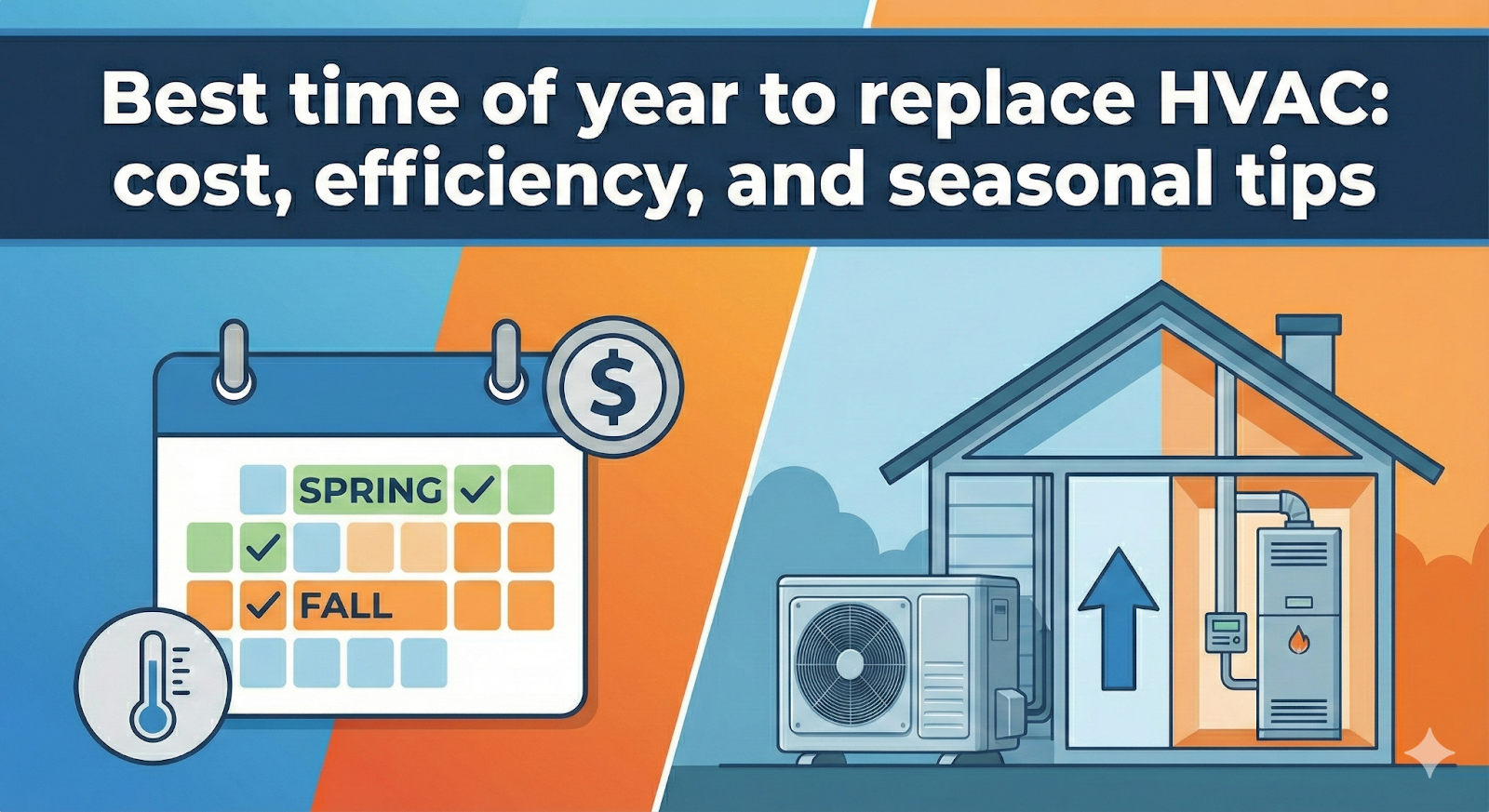
In most parts of the U.S., the best time of year to replace HVAC system is when you don’t desperately need it running every minute. That’s why spring and early fall are often called the “shoulder seasons”: outdoor temperatures are moderate, and you can live normally while the old unit is removed and the new one is set up. Many HVAC sources point out a simple reality—when temperatures are extreme, contractors are flooded with breakdown calls, schedules fill up, and homeowners have less leverage to compare options calmly.
A simple way to use shoulder season to your advantage is to do the “planning work” before you buy:
- Get 2–3 written quotes and ask for an itemized breakdown of equipment, labor, permits, and any ductwork.
- Request a proper sizing approach (a contractor should justify capacity, not guess based on your old unit).
- Ask whether your ducts will be inspected, sealed, repaired, or reused as-is.
- Clarify timeline: estimated install date, how long your system will be offline, and what happens if weather suddenly swings.
- Confirm warranty details and what maintenance is required to keep warranties valid.
When you do these steps in mild weather, you’re protecting two things at once: your budget (fewer rushed decisions) and your comfort (less time “stuck” without heating or cooling). Even if the price doesn’t magically drop, the experience tends to be smoother—and that matters for a project this big.
Cost Reality and Timing Strategy
Price is the biggest reason people ask about when is the best time of year to replace HVAC, but the honest answer is more nuanced than “winter is cheap” or “fall has discounts.” Some companies do run promotions or have more scheduling flexibility outside peak heat and peak cold, yet other reputable contractors keep pricing steadier year‑round because their costs don’t disappear when the weather is mild.
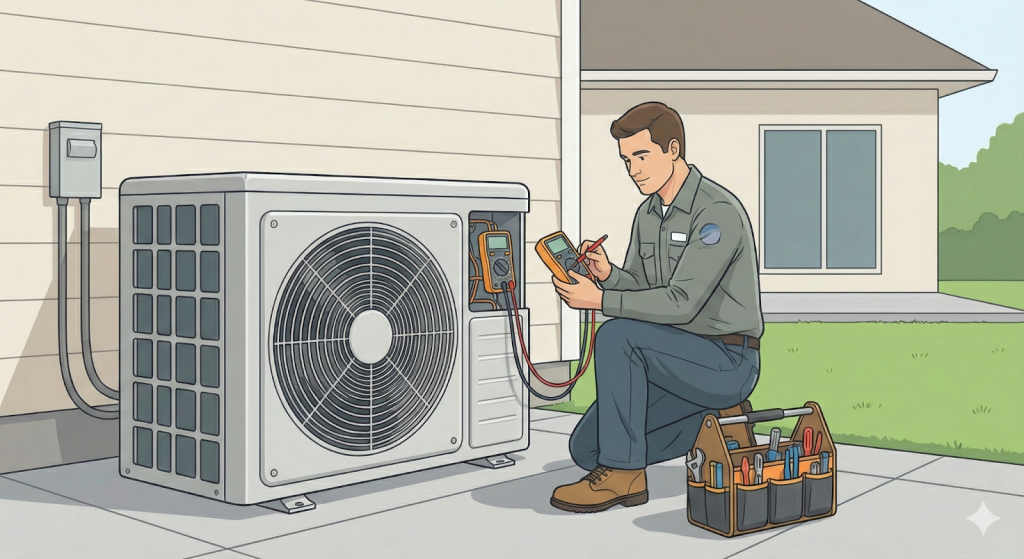
To budget realistically, think in “project types” instead of one magic number. Full system swaps, AC-only replacements, heat pumps, and furnace-only replacements can land in very different ranges. National cost guides commonly place whole‑system replacement around the mid‑thousands to low‑tens‑of‑thousands depending on system type, size, and add‑ons like ductwork.
Here’s a quick comparison table you can use as a starting point:
| Project type | Typical U.S. range | Timing advantage | Notes |
| Full HVAC replacement (unit + labor) | $5,000–$12,500 | Spring/Fall | Can jump higher with ductwork or extras. |
| Central AC replacement (existing ducts) | $4,500–$6,500 | Spring/Fall | Range assumes ductwork is usable. |
| Furnace replacement (installed) | $1,600–$10,000 | Fall (before cold) | Depends on fuel type and efficiency. |
| Heat pump install/replace | $6,000–$25,000 | Fall/Spring | Wide range; setup and home needs matter. |
| Ductwork replacement/add-on | Avg ~ $3,500 (varies) | Spring/Fall | Can be a major cost driver. |
Use the table to ask better questions, not to “lock in” a price. The best cost move is usually shopping before your system fails: you can compare contractors, negotiate scope, and avoid emergency scheduling.
Signs You Should Replace Now (Even If It’s Not the “Best” Season)
Sometimes waiting for spring or fall isn’t realistic. If your system is already struggling, the “best time of year” becomes less important than avoiding a full breakdown. A replacement done a little earlier can save you from emergency calls, temporary heaters or portable AC units, and rushed decisions under pressure. The key is recognizing when repairs stop being a smart investment and start turning into recurring costs that still don’t deliver reliable comfort.
Before you delay, check these warning signs:
- You’ve needed multiple repairs within the last 12–18 months.
- The system can’t maintain comfort during normal hot or cold days.
- Energy bills keep rising even though your habits haven’t changed.
- Rooms feel uneven, and airflow issues keep coming back.
- Strange noises, short cycling, or frequent resets are becoming “normal.”
- The system is near the end of its expected lifespan and parts are harder to source.
If several points match your situation, waiting for the “perfect season” can backfire. In many cases, replacing sooner gives you more control over scheduling, equipment selection, and overall scope—especially if ductwork or electrical updates are also needed.
When Is The Best Time of Year to Replace HVAC If Efficiency Is Your Main Goal
Efficiency upgrades are easiest when you can coordinate the HVAC swap with the “supporting cast” that makes a system perform well: insulation, duct sealing, airflow fixes, and controls. Many homeowners focus on the box (the new unit), but comfort and bills are also shaped by sizing, duct condition, and how well your home holds temperature.
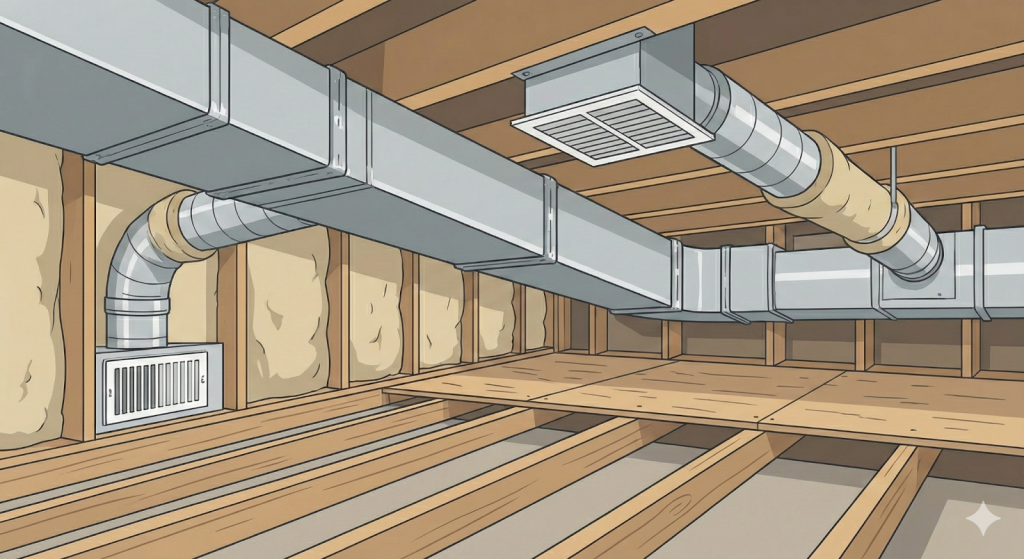
Seasonal efficiency strategy (what to do, and when):
- Spring: Replace before the summer rush; schedule early so you can test cooling performance before hot weeks arrive.
- Summer: Replace only if you must; demand is high, and you may have fewer scheduling options and less time to compare.
- Fall: Great for replacement after AC season; you can prepare heating reliability before winter and often get faster install windows.
- Winter: Can work in milder climates or if you have backup heat; don’t assume huge discounts, but you may get more attentive scheduling.
Efficiency also ties into incentives. For example, the IRS and ENERGY STAR both note energy-efficiency tax credit rules and timelines that can change, and recent guidance highlighted credits being available through December 31, 2025 (and new reporting requirements in 2025). If incentives matter to your decision, always verify the current rules before you buy—don’t base your plan on last year’s headlines.
How to Get Better Value From Quotes in Any Season
Even if you’re replacing during a busy time of year, you can still protect your budget by tightening how you compare bids. Many homeowners look only at the final total, but HVAC quotes can hide big differences in what you’re actually buying: efficiency tier, warranty terms, ductwork assumptions, thermostat inclusion, and start-up testing. Two quotes that look similar on paper can produce very different comfort and operating costs after installation.
To compare offers more confidently, use this checklist:
- Ask each contractor to explain sizing and load calculation in plain language.
- Request exact model numbers and efficiency ratings (not just “high efficiency”).
- Confirm what’s included: thermostat, permits, disposal, line set, drains, electrical work.
- Ask whether duct inspection and airflow balancing are part of the scope.
- Clarify start-up procedures: charge verification, temperature split checks, safety testing.
- Get warranty terms in writing and ask what maintenance keeps coverage valid.
This approach doesn’t just reduce the risk of overpaying—it reduces the risk of installing the wrong system. A properly sized, well-commissioned mid-tier unit often performs better than a premium model installed quickly without airflow and setup verification.
Conclusion
Talking about when is best time of year to replace HVAC isn’t about a single month—it’s the period when you can choose calmly, schedule reliably, and install without living through extreme weather. For most U.S. homes, spring and early fall (“shoulder season”) are the sweet spot because your house stays livable during installation and contractors are often less slammed. Cost-wise, timing can help, but discounts aren’t automatic; what consistently saves money is avoiding emergency replacement and getting multiple itemized bids. If you want better efficiency, treat replacement as a project (sizing + ducts + controls), not just a unit swap, and verify any incentives with up-to-date sources before committing.