Understanding compressor HVAC cost is rarely straightforward. In real systems, the compressor sits at the intersection of mechanical stress, electrical load, refrigerant chemistry, and installation quality. When it fails—or begins to fail—the cost question is never just about the part itself. It is about context: system age, failure mode, refrigerant type, accessibility, and whether replacement makes technical sense at all.
This article approaches HVAC compressor pricing the way technicians and system designers do in the field: by tracing causes, constraints, and downstream consequences. Rather than listing numbers in isolation, we examine why costs vary, when replacement is justified, and how labor and system design quietly shape the final invoice.
What an HVAC compressor actually does—and why cost escalates quickly
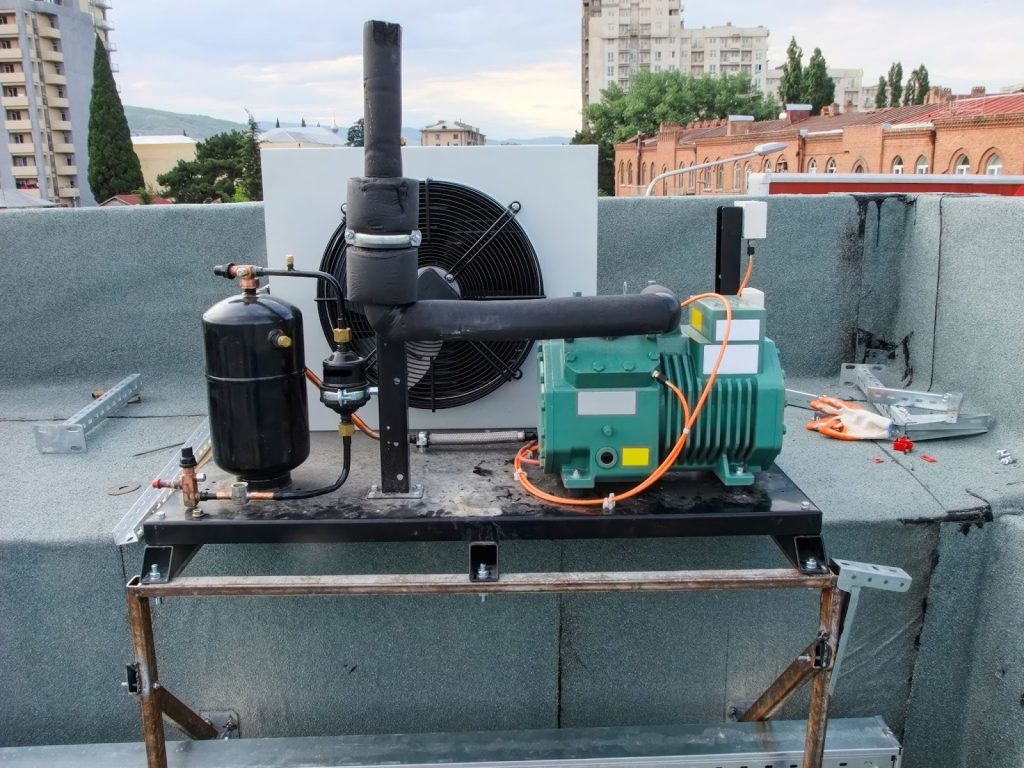
The compressor is the mechanical heart of an HVAC system. It is responsible for circulating refrigerant under pressure, enabling heat transfer across coils. When it stops functioning correctly, cooling capacity drops rapidly, electrical consumption increases, and secondary damage often follows.
From a cost perspective, compressors are expensive not because they are complex in isolation, but because they operate under extreme conditions. High pressure ratios, elevated temperatures, oil circulation, and electrical startup loads all converge here. A failure rarely stays localized, which is why hvac compressor replacement cost often reflects preventive work beyond the component itself.
Typical compressor HVAC cost ranges in practice
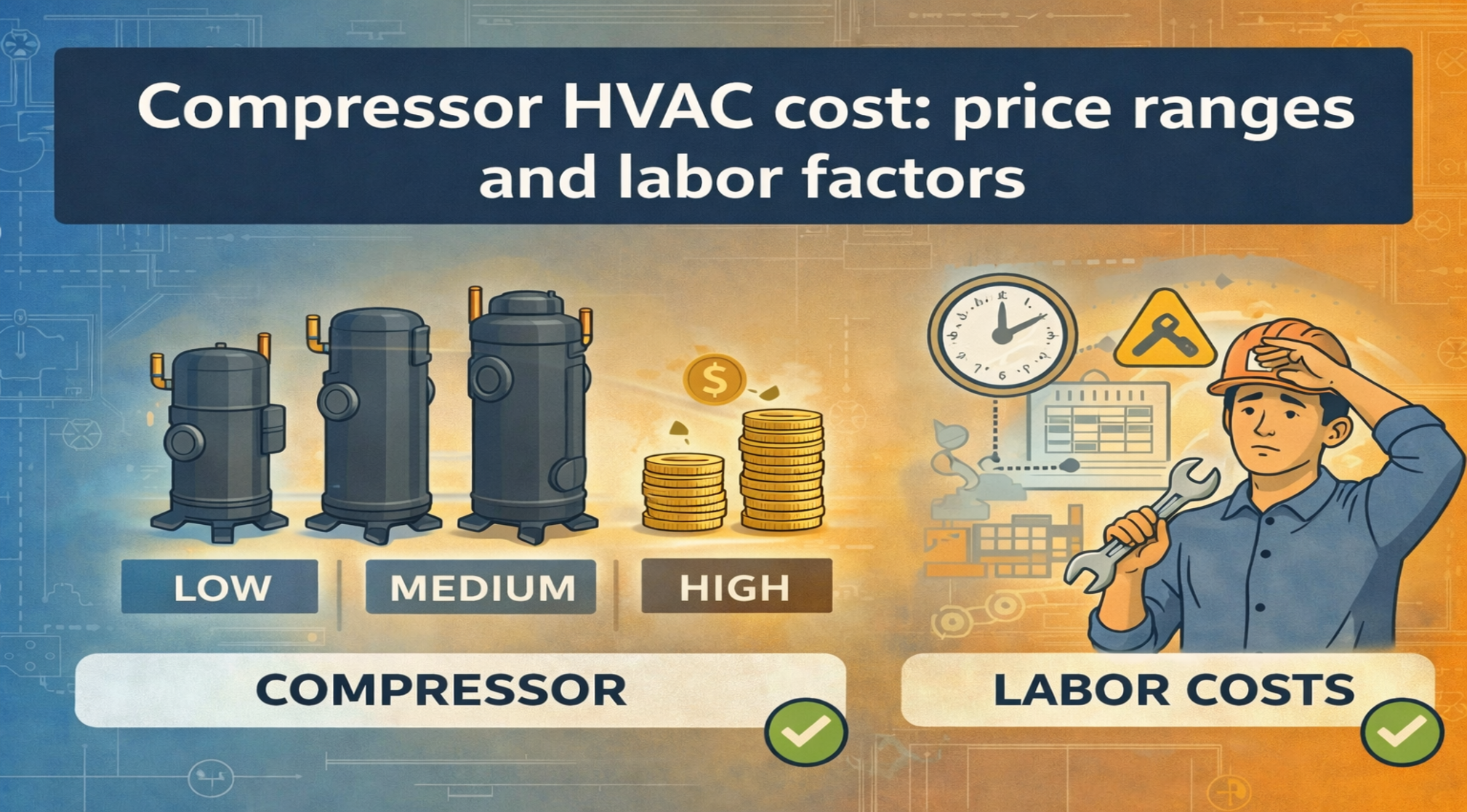
In most residential and light commercial scenarios, hvac compressor cost spans a wide range. This variation is not arbitrary; it reflects design differences and supply chain realities.
A new compressor alone may cost anywhere from the lower four figures to several thousand dollars, depending on:
- system capacity and tonnage.
- compressor type (scroll, reciprocating, rotary).
- refrigerant compatibility.
- manufacturer-specific design.
Once labor, refrigerant recovery, brazing, evacuation, and testing are included, cost of replacing hvac compressor often exceeds initial expectations. In many cases, labor and ancillary materials rival or exceed the price of the compressor itself.
New HVAC compressor cost vs repair: where the line is drawn
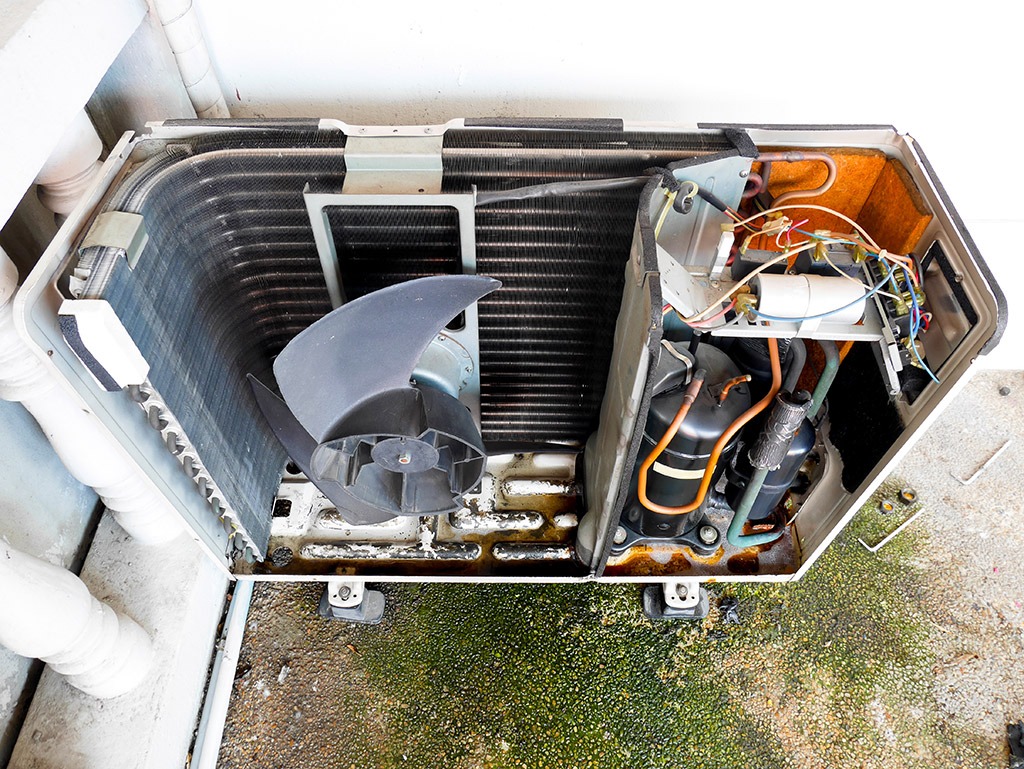
The decision between hvac compressor repair cost and full replacement is rarely binary. In practice, technicians evaluate failure modes before recommending action.
Repair may be technically possible when:
- electrical components (start capacitors, contactors) are the primary issue.
- internal mechanical damage is unlikely.
- oil contamination is minimal.
Replacement becomes the rational option when:
- windings are shorted or grounded.
- mechanical seizure is present.
- acid contamination is detected.
- the compressor has experienced multiple overheating events.
In these cases, attempting repair often delays the inevitable while increasing total system damage.
Labor factors that quietly dominate total cost
Labor is the most underestimated variable in hvac ac compressor replacement cost. Two identical compressors can result in very different invoices depending on installation conditions.
Common labor drivers include:
- rooftop vs ground-level access.
- refrigerant recovery requirements.
- brazing complexity and pipe condition.
- electrical rework or code updates.
- system evacuation time and leak verification.
Older systems, in particular, demand careful handling. Brittle copper lines, outdated electrical disconnects, or inaccessible service valves increase time on site and risk, which translates directly into labor cost.
Refrigerant type as a hidden cost multiplier
Refrigerant choice has become one of the most decisive pricing factors in recent years. Systems using phased-down refrigerants often carry disproportionate replacement costs.
In practical terms:
- legacy refrigerants increase material cost.
- availability constraints extend labor time.
- full system compatibility must be verified.
When refrigerant alone represents a significant portion of cost to replace hvac compressor, technicians may recommend evaluating full system replacement instead of partial repair.
When compressor replacement no longer makes system-level sense
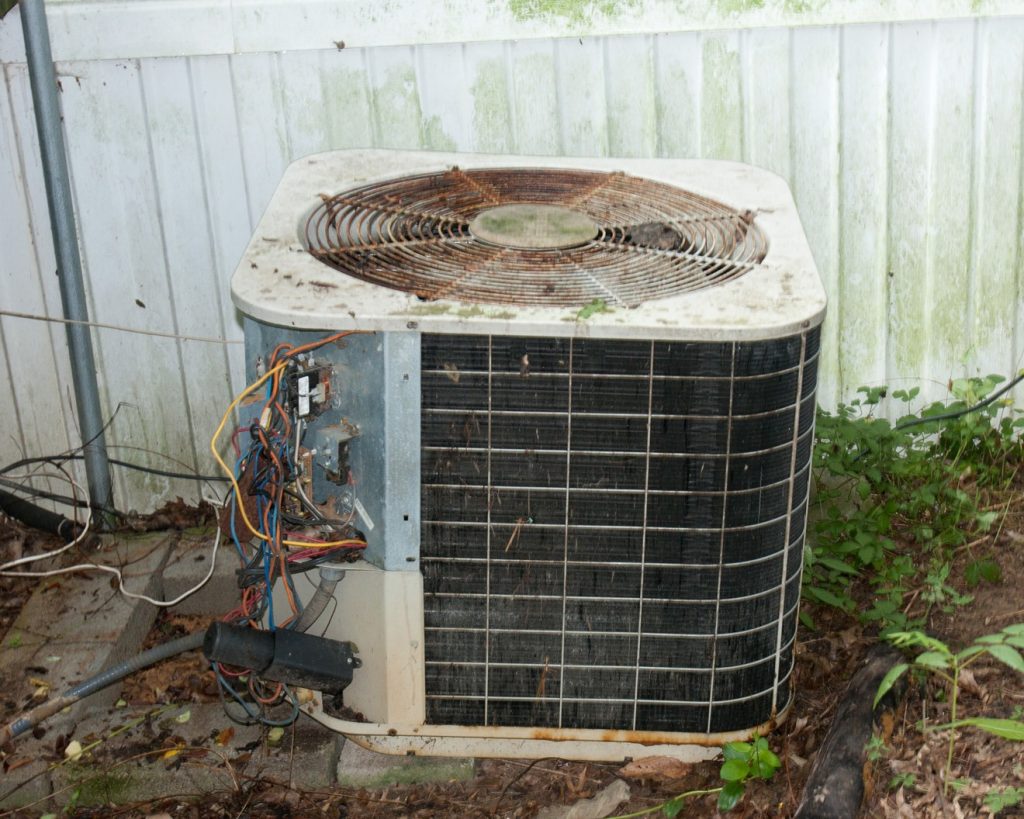
There is a point where new hvac compressor cost stops being economically or technically justified. This threshold is not fixed; it depends on efficiency loss, remaining system lifespan, and operating conditions.
In field assessments, replacement is often discouraged when:
- the system is near the end of its design life.
- efficiency standards have shifted significantly.
- multiple major components show wear.
- refrigerant regulations complicate future service.
At this stage, compressor replacement may restore function temporarily but fails to address systemic decline.
Replacement options and compatibility constraints
Not all compressors are interchangeable, even within the same nominal capacity. Compatibility involves more than mounting dimensions.
Technicians evaluate:
- electrical characteristics and starting current.
- oil type and circulation behavior.
- refrigerant pressure profile.
- control board communication.
Ignoring these factors may reduce upfront cost of hvac compressor, but often leads to premature failure or unstable operation.
Cost comparison overview: repair, replacement, and system upgrade
The following table helps contextualize decision-making by comparing common scenarios. It does not replace site-specific evaluation, but it clarifies trade-offs that are often overlooked.
| Scenario | Short-term cost | Long-term stability | Risk profile |
| Minor compressor repair | Low | Uncertain | Moderate |
| Compressor replacement | Medium–High | Variable | Moderate |
| Full system replacement | High | High | Low |
This comparison highlights why hvac compressor replacement cost must be evaluated beyond immediate expense.
Common mistakes that inflate compressor HVAC cost
In practice, many high invoices result from avoidable errors rather than unavoidable failures.
Typical issues include:
- delayed diagnosis allowing secondary damage.
- mismatched replacement components.
- inadequate system flushing.
- skipping acid testing.
- underestimating electrical issues.
Each of these mistakes compounds cost while reducing reliability.

Risk management and long-term cost predictability
From an engineering standpoint, compressor-related expenses are about predictability, not just price. Systems that fail unpredictably cost more over time due to emergency labor rates, downtime, and collateral damage.
In most cases, controlled replacement decisions—made before catastrophic failure—result in:
- lower labor stress.
- better component compatibility.
- improved commissioning quality.
This approach does not eliminate cost, but it stabilizes it.
Final perspective: cost as a system outcome, not a line item
Compressor HVAC cost is best understood as a system outcome rather than a standalone expense. The compressor reflects how well the system has been sized, installed, maintained, and operated over time.
In the long run, predictable performance comes from technical alignment, not shortcuts. When costs are evaluated with system context in mind, decisions become less reactive and more durable—favoring stability, serviceability, and realistic lifecycle planning over short-term savings.